Mobility Devices for Seniors
Canes are the most common device that people may begin to use. Traditional canes are easy to use, lightweight and often adjustable. They are useful for providing balance and support. Quad canes such as HONEYBULL and HurryCane provide additional support and stability by having a 4 point base.
Walkers and Rollators provide more support and stability than canes. Traditional walkers provide maximum stability. Rollator walkers have wheels and hand brakes and are easier to maneuver. Some models have a built in seat that can be useful when stopping to rest and storage pouches. Walkers help maintain balance and reduce fall risk. Some walkers fold and are useful for transporting and storage.
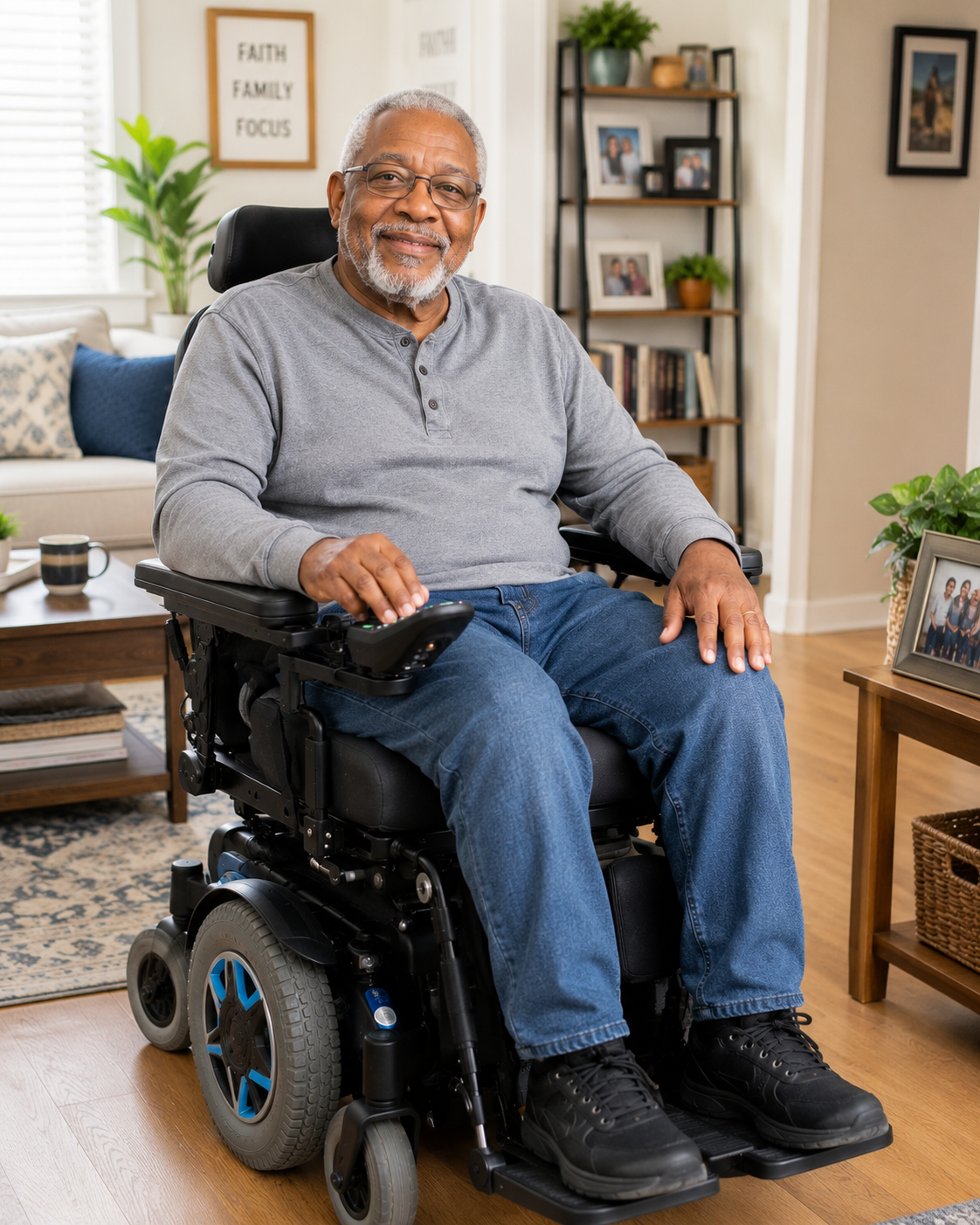
Wheelchairs offer increased mobility and independence when walking becomes a difficulty. Manual wheelchairs are helpful when the user can navigate themselves around or have someone who can push and navigate the chair. Some people now utilize lightweight, wheelchairs such as Verpal carbon fiber ultra light electric wheelchair that has rechargeable battery. The user can navigate the chair with the joy stick, it's foldable and can be transported in a car or even on a plane.
Mobility scooters come in different sizes and can offer increased independence for both indoor and outdoor use. Medicare Part B covers specific scooters under durable medical equipment provided the person qualifies for it as medical necessity for use inside the home. This process includes a medical exam, a prescription for the chair, documentation that the patient has limited mobility and can safely navigate the chair inside the home, and the home has adequate space and can accommodate the chair through doorways. Medicare Part B typically will cover 80% of the cost and private insurances will vary on coverage. Medicaid and the Veterans administration can also help, as well as private organizations and charities.
When considering options, talk with your health care provider about which devices are best suitable for your needs.