Navigating the World of Hearing Devices
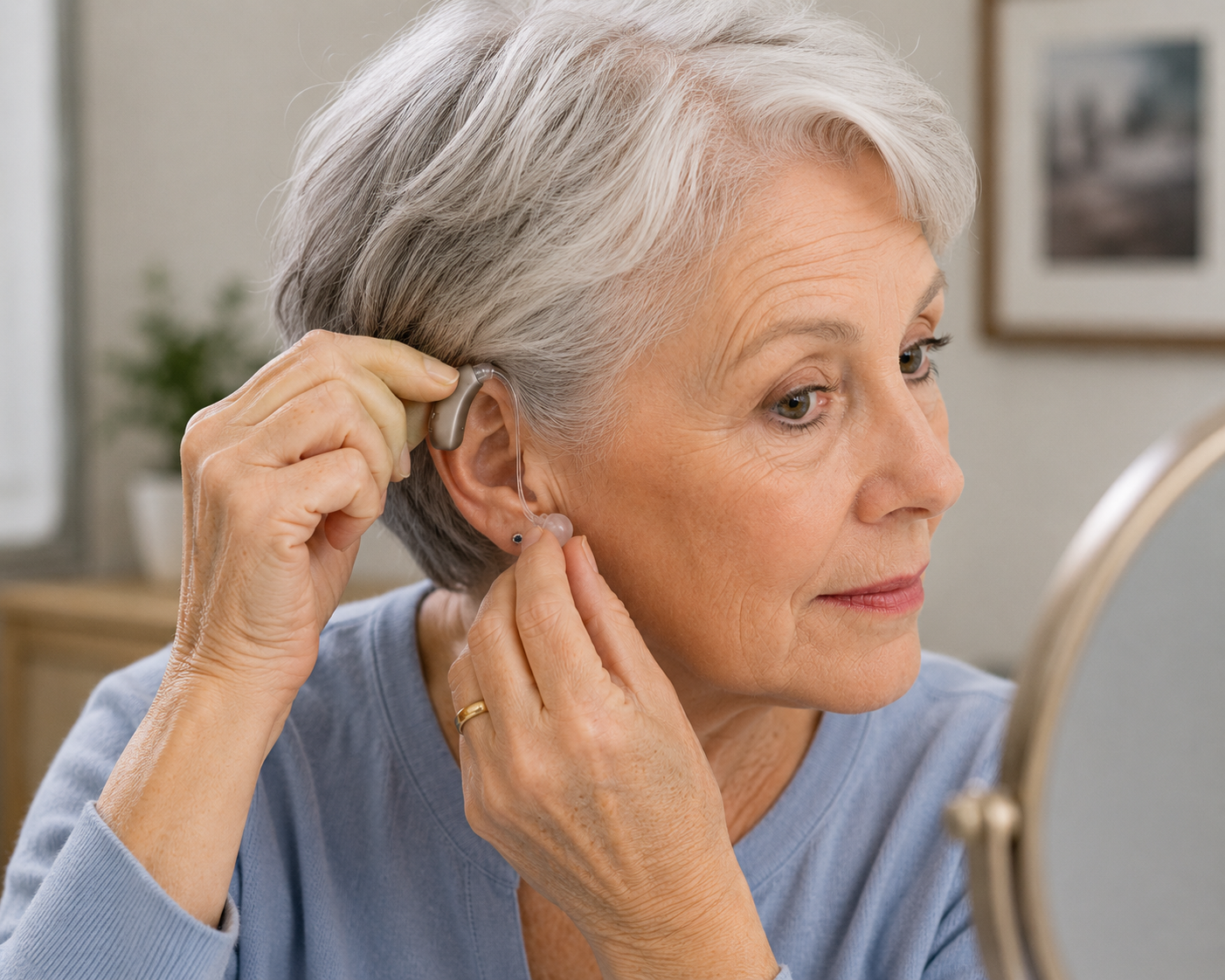
Your choice between OTC hearing devices and ones that are prescribed by a professional audiologist will depend on the reason and severity of your loss as well as your budget. OTC devices are designed for adults with perceived mild-to-moderate hearing loss. They don't require a medical exam or prescription and rely on a smartphone for fitting and adjustment. They are simple, adjustable and more affordable than prescription hearing devices and are ready to go out of the box. OTC hearing devices are available for purchase online, in a pharmacy, and retail stores, and do not require a hearing test. These types are not recommended for hearing loss from more complex causes such as auditory nerve damage, infections or other medical issues.
Prescription devices require an evaluation from a professional audiologist. The cause of the hearing loss and which devices you might most benefit from would be discussed with you. The newer more sophisticated models will require calibration and adjustment to your specific needs.
There are different styles of hearing devices including those with the battery/receiver that sits behind the ear and the thin tube in the ear. Today many devices are small and fit completely in the ear canal. Some are very high tech with blue tooth connectivity, some have the ability to adjust to different background noises and human voices. And there are devices that will help manage tinnitus, which is ringing in the ears. These more complex hearing devices are more expensive. Most health insurance providers do not cover the cost, however, currently there are 20 states that requires health insurers to cover this expense.
No matter what type of device you choose, it will take some time to get acclimated to them and possible follow up with your audiologist. You can discuss your hearing loss and get recommendations for next steps with your healthcare provider.