Selecting a Personal Medical Alert Response System
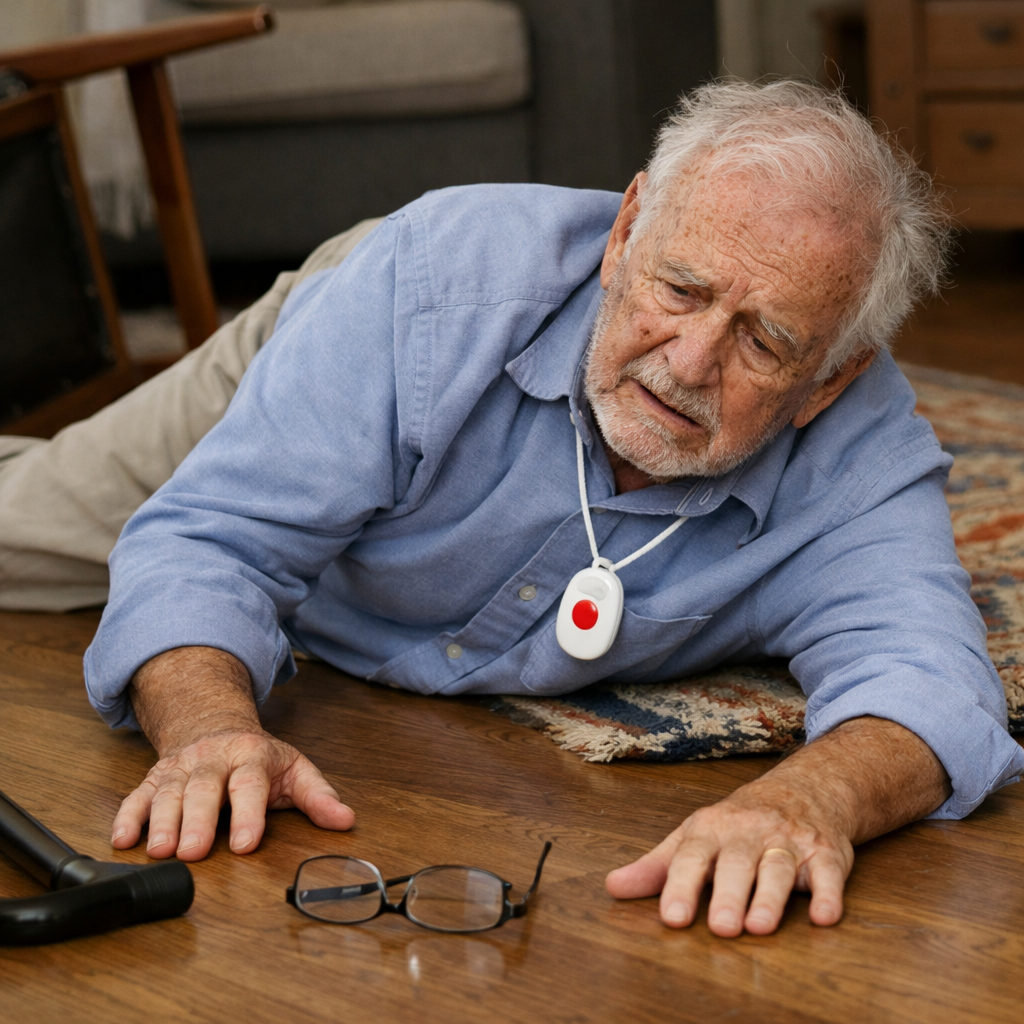
How is the system rated for reliability? This includes the training of the staff in the center taking the calls. The agents respond directly to the caller, in addition to notifying 911 and family members. Two ratings to look for are TMA five diamond, or UL, Underwriters Laboratories certification as the gold standard for reliability. How quickly are the calls answered? The top rated companies will answer the call under 30 seconds. And does the company run their own call center or do they outsource it to someone else? And does the company have multilingual agents?
Another consideration is what type of system you desire? Some systems are only home based. They connect to a base unit in your home which is connected to you landline or built in cellular network and should have a back up battery life of approximately 32 hours in case of power outages. The base should have a range of about 1000 feet to cover the home and yard area. You will wear a pendant or wrist device that you push the button to signal for help. These devices may be preferred for those who are homebound. Ask how long the system stays charged? And if the user has verbal communication issues such as aphasia or a soft voice, or hearing loss, how will they communicate with the agent? Can volume be adjusted? How easy is it to push the button?
Some systems today are mobile so they will work in or out of the home. These PERS use GPS to report the location of the alarm to emergency responders using cell towers. They give peace of mind to those who are more mobile outside the home.
Today many people now have smart watches that synchronize to their mobile phones. These devices have fall detection capability and will alert the 911 service and contacts if needed. And they can look stylish like a piece of jewelry. No matter what device you chose, is the device comfortable to wear?
Many of the devices today are also water proof and can be worn in the shower. Since many falls occur in the bathroom and kitchen, these can give additional piece of mind.
Another factor to consider when selecting a PERS is the cost of the service. There are a number of companies to chose from. Does the company offer any discounts if you are a member of organizations such as AARP or AMAC? Some insurance companies offer discounts and if you already have a home alarm system, they may also have an additional service for fall monitoring. Look closely at the contract. Many will offer a month to month contract to give you more flexibility instead of a yearly or multiyear contract. What are the costs involved for the equipment, shipping and service? Do they offer a risk free trial period? And do they have customer service 24/7 to help with set up or troubleshooting? And if it occurs, how are false alarms handled?
Safety is important to help stay healthy and independent and having a PERS can be part of the overall strategy.